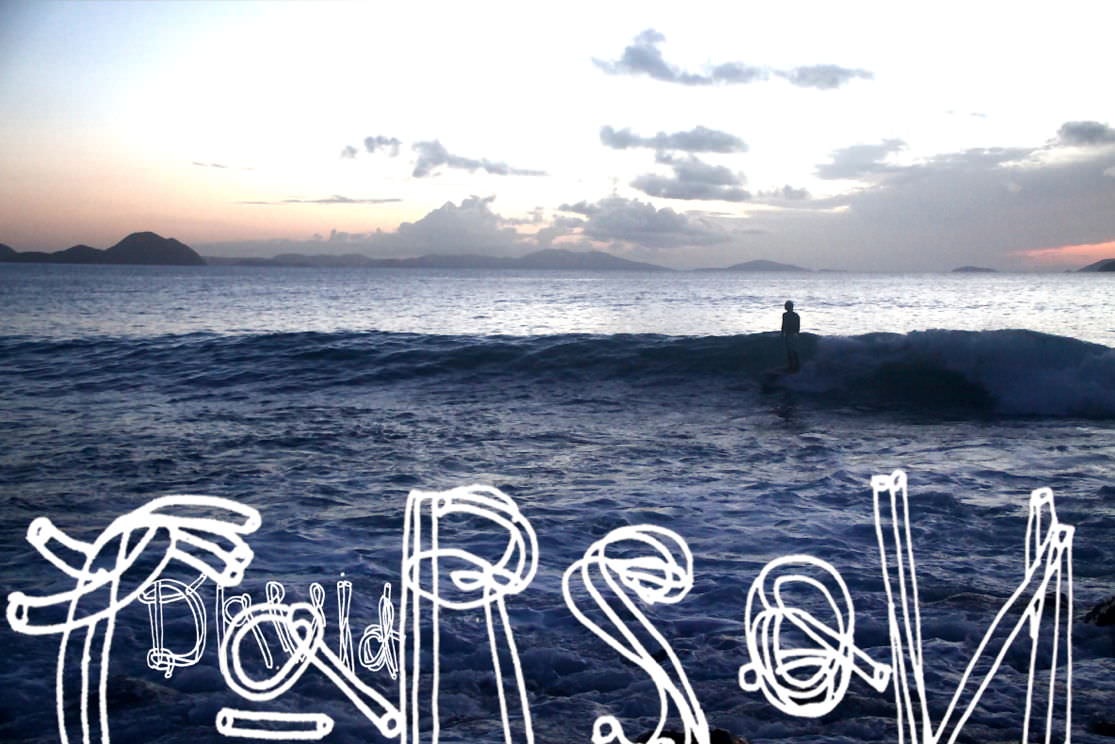
And the extremely rough concept drawing
Thursday, December 12, 2013
Monday, November 25, 2013
Friday, November 22, 2013
Logo comparison
Before and after logo questions
Q: What are the major differences in these 2 versions?
A: The second one has noticeable text, and is in “cleaned”
out compared to the first one. The second one also has more of a focal point to
it, which is the text, where as the first one is more of a picture with no
focal point.
Q: What design issue caused a change in the final artwork?
A: You have to look at the old logo for a good 15 seconds
before you notice “The Mix Show” written on one of the disks. With the other
one, you notice it instantly.
Friday, November 15, 2013
Friday, November 1, 2013
Friday, October 25, 2013
Principles of Element and Design Notes
Design:
The principals and elements
·
What is design?
o
Design elements are the basics units of a visual
image.
o
The principles of design govern the
relationships of the elements used and organize the composition as a whole.
o
All imagery, art, design and photography alike,
are comprised of elements that can be broken down.
·
Design Elements: Space, Line, Color, Shape,
Texture, Value
·
In graphic design, space can exist in 2 or 3
dimensions; there is positive and negative space.
·
Space can refer to foreground mid, or
background.
·
Line
·
Color
·
Shape
·
Texture
·
Value
·
Unity (Can use proximity to create a sense or
lack of unity)
·
Repetition
·
Harmony
·
Proximity
·
Proportion
·
Form or Function (looks good or serves a
purpose)
Helvetica Film Writing Assignment
·
Helvetica,
originating from Switzerland, was originally named “Neue Haas Grotesk”, which
literally translated to “The Swill Typeface”.
·
Helvetica
was created in 1957
·
The design
style that popularized Helvetica is generally credited to the “Swiss design
style”, which is simple, angular, and calculated.
·
At its time
of creation, popular styles included illuminated type, modernism, and grudge.
·
Something
that I took away from the film is that font is forever changing, but fonts such
as Helvetica and a few others managed to stay popular because of their
readability, neatness, and universality.
·
Examples of
Helvetica:
Wim Crouwel: Was a
Dutch graphic designer from 1947-1949. Some of his work includes the posters at
the Stedelijk Museum of Amsterdam and his typeface the “New Alphabet”, seen
bellow.
Massimo Vignelli: An Italian designer who dabbled in several design fields, including graphic design. He was born in 1931 and focuses within Modernist design, which largely use basic and geometric designs in his work. One of his works include the logo for American Airlines
David
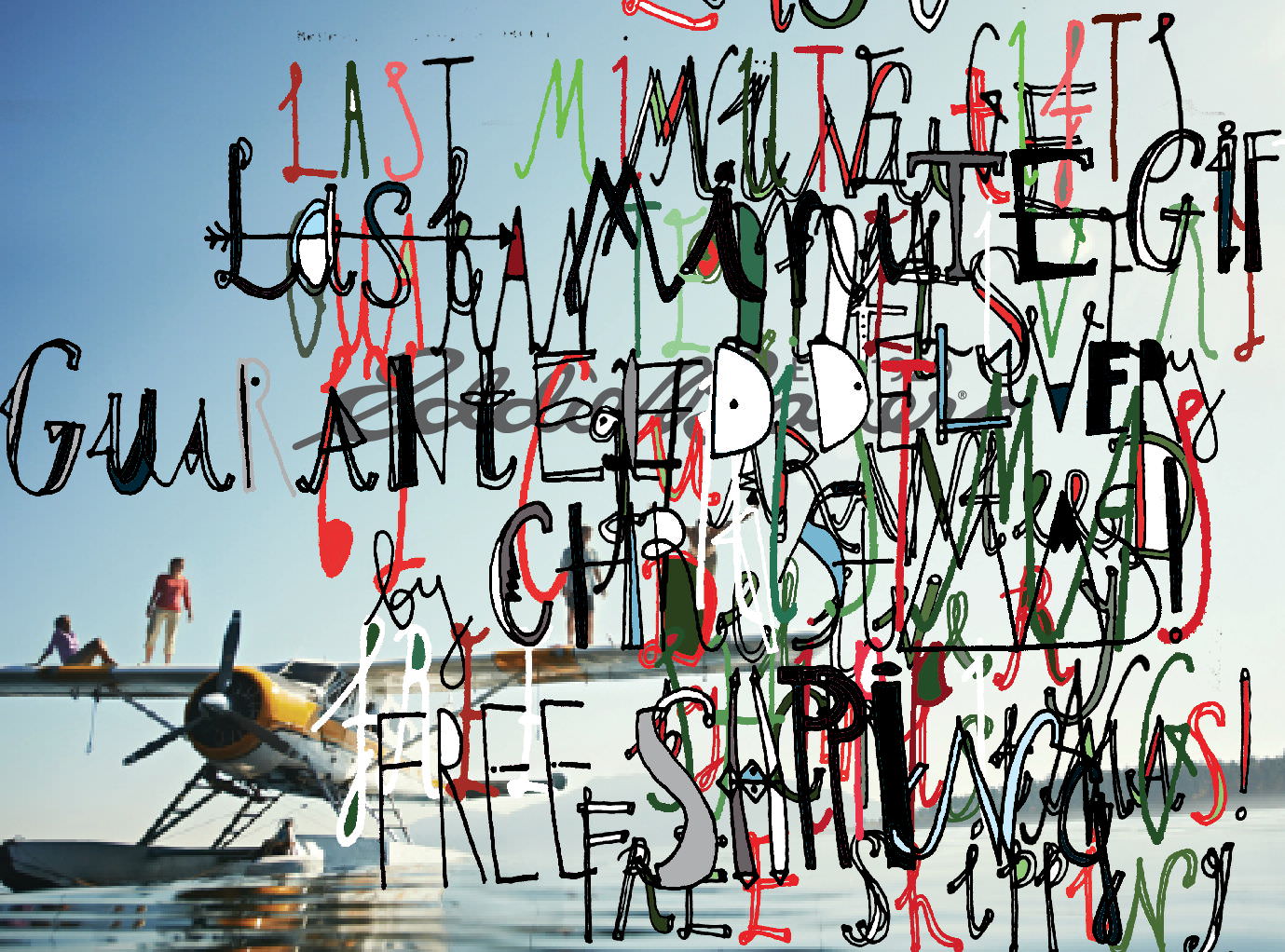
Carson: An American graphic designer who was born in 1954 and is known “for his
innovative design and experimental typography.” He is often noted to have very
“wild” designs.


Mike
Parker: An American typographer who is noted for reintroducing the “nameless
Roman” type font. Below is one of his fonts.
Subscribe to:
Posts (Atom)